Jonathan van den Berg · June 3, 2026
Kuwait Tensions Escalate: How Iran Conflict and Middle East Oil Politics Drive Global Energy Prices in 2026
Kuwait finds itself on the frontline as hostilities between Iran and its neighbors intensify, with oil prices jumping on stalled peace talks and fears over the Strait of Hormuz. This escalation reshapes energy security and global markets.
Kuwait tensions have surged as Iran’s conflict with regional players and stalled peace negotiations send oil prices climbing. The small Gulf state sits near critical shipping lanes and holds substantial oil reserves, making any flare-up there a direct threat to global energy supply chains.
Recent hostilities have centered on Iranian-backed actions near Kuwaiti waters and increased rhetoric from Tehran. Oil jumped more than 4% in a single session after talks between Iran and Western mediators broke down without progress on nuclear limits or proxy conflicts. Traders now price in higher risk premiums for shipments passing through the Strait of Hormuz, the narrow chokepoint that carries nearly 20% of global seaborne oil.
Key Takeaways
- Kuwait has become a focal point in the widening Iran conflict, with reported naval incidents raising fears of direct confrontation.
- Oil prices have risen sharply on stalled diplomacy, directly affecting gasoline costs for consumers worldwide.
- The Strait of Hormuz remains the primary vulnerability, where even limited disruptions could spike global energy prices for months.
- Petrodollar dynamics are shifting as countries explore alternatives to dollar-denominated oil trades amid sanctions pressure.
- Investors are turning to crypto and alternative assets as traditional energy markets show heightened volatility.
Geography and Strategic Importance of Kuwait
Kuwait borders Iraq to the north, Saudi Arabia to the south, and shares maritime boundaries with Iran. Its location places it squarely in the Persian Gulf’s most contested waters. The country produces roughly 2.7 million barrels of oil per day and holds proven reserves exceeding 100 billion barrels.
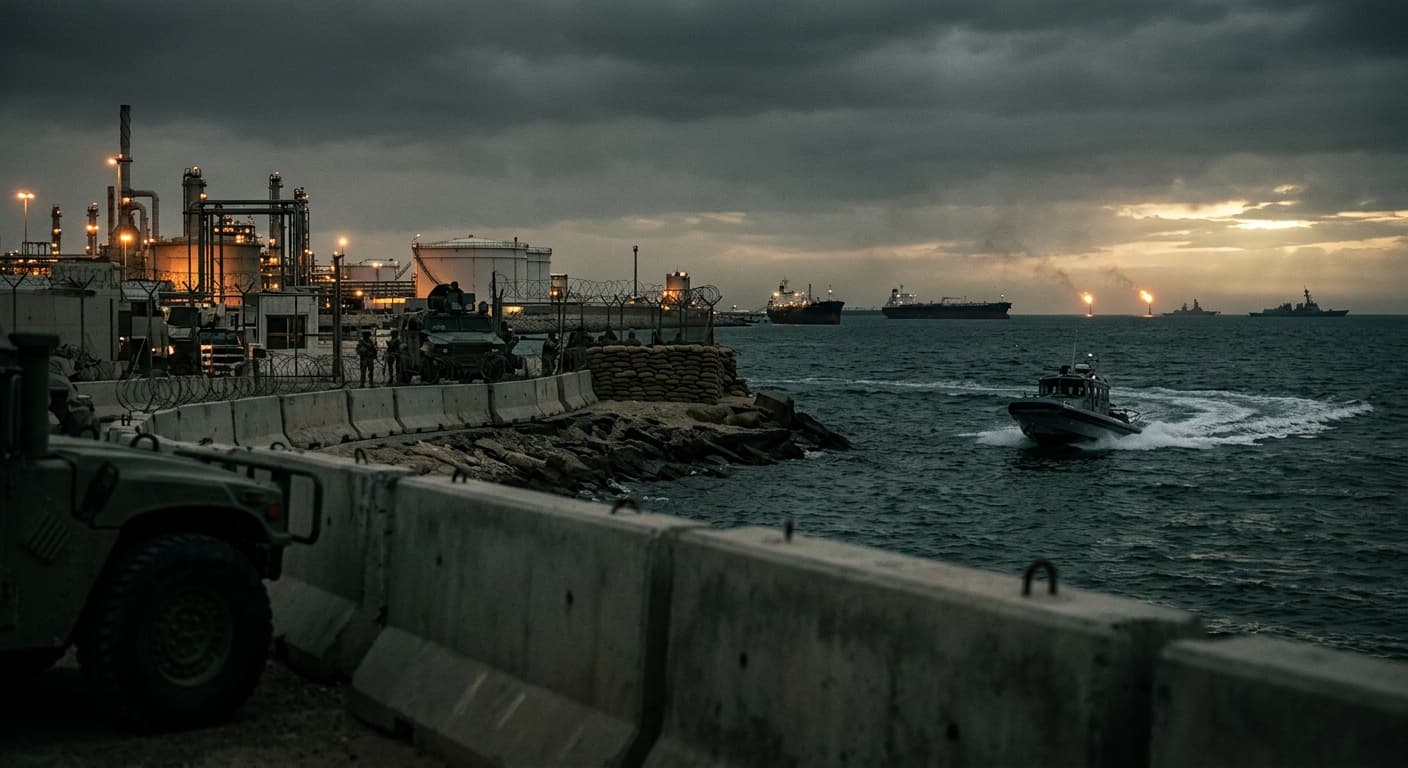
Most of Kuwait’s oil infrastructure lies along its eastern coast, within easy range of Iranian missiles or naval forces. The Al-Ahmadi port and Mina Al-Ahmadi refinery handle massive export volumes. Any credible threat to these facilities immediately ripples through futures markets.
This positioning echoes broader regional power plays. Kuwait has historically tried to balance relations with Iran while maintaining close security ties to the United States and Gulf Cooperation Council partners. That balancing act grows harder as direct hostilities increase.
Iran Conflict Dynamics Fueling Kuwait Tensions
The current escalation stems from multiple fronts. Israeli strikes on Hezbollah targets in Lebanon have drawn Iranian retaliation, while U.S. naval presence in the Gulf has increased to deter direct attacks on shipping. Peace talks mediated through indirect channels have repeatedly stalled over Iran’s nuclear program and its support for regional militias.
Recent incidents include reported Iranian drone activity near Kuwaiti oil platforms and increased patrols by the Islamic Revolutionary Guard Corps Navy. These moves appear designed to signal that Iran can disrupt Gulf energy flows if pressured further.
Analysts note that Iran’s economy, already strained by sanctions, relies heavily on oil smuggling and shadow tanker fleets to bypass restrictions. Heightened tensions make even these workaround routes more expensive and risky. For a detailed look at how such pressures reshape energy markets, see how the Iran conflict could reshape global oil flows.
Impact on Global Oil Prices and Supply Chains
Oil prices reacted immediately to the news. Brent crude climbed above $85 per barrel while West Texas Intermediate approached $82. The risk premium attached to Middle East supply added roughly $3–5 per barrel according to trading desks.
Longer-term effects could be more severe. The Strait of Hormuz handles about 21 million barrels daily. Even a temporary 10% reduction in throughput would remove more oil from global markets than OPEC+ spare capacity can easily replace.
Asian buyers, particularly China, India, and South Korea, import the majority of Gulf crude. Higher prices there translate into elevated manufacturing costs and transportation expenses that eventually reach consumers. European nations, still rebuilding inventories after previous disruptions, face renewed pressure on winter heating costs.
Related market reactions have appeared in equities. Energy stocks rose while broader indices showed volatility tied to inflation fears. For context on how these tensions drive daily market swings, review how Iran nuclear optimism and Middle East tensions drive global volatility.
Strait of Hormuz: The Enduring Energy Chokepoint
The Strait of Hormuz measures just 21 miles wide at its narrowest point. Tankers must navigate through two shipping lanes, each two miles wide, with a narrow buffer zone between them.
Iran has repeatedly threatened to close the strait during periods of heightened tension. While a full closure remains militarily difficult and economically suicidal for Tehran, even the credible threat forces insurance rates higher and deters some shipments.
Recent U.S. strikes on Iran have heightened concerns that Tehran might respond asymmetrically by targeting commercial vessels. Historical precedents include the 1980s Tanker War, when both sides attacked neutral shipping.
Alternative routes exist but carry limitations. Saudi Arabia’s East-West Pipeline can bypass the strait for some volume, yet Kuwait lacks comparable infrastructure. This makes Kuwait particularly exposed. Further background appears in how Middle East tensions could hit wallets worldwide.
Economic Consequences for Kuwait and the Region
Kuwait’s economy depends on oil for more than 90% of government revenue. Higher prices provide short-term budget relief but also create volatility that complicates long-term planning. The country maintains one of the world’s largest sovereign wealth funds, yet sustained conflict could force drawdowns to maintain social spending.
Neighboring states face similar pressures. Saudi Arabia has increased military readiness along its border. The United Arab Emirates has bolstered air defenses around key ports. Qatar, which shares the world’s largest gas field with Iran, walks an especially delicate line.
Global ripple effects extend beyond energy. Shipping companies have raised freight rates for Gulf routes. Insurance premiums for hull and cargo coverage have increased 20–30% in some cases. These added costs flow downstream to imported goods everywhere.
Petrodollar Pressures and Alternative Payment Systems
Persistent conflict accelerates discussions about moving away from dollar-based oil transactions. Some Gulf states have explored yuan or euro settlements with major buyers. While the petrodollar system remains dominant, each new crisis chips away at its exclusivity.
Cryptocurrency markets have reacted with increased trading volume. Bitcoin and other digital assets often serve as alternative stores of value during periods of geopolitical uncertainty and currency volatility. This trend aligns with broader shifts examined in Cryptocurrency Trading and the Erosion of the Petrodollar.
Russia and China have expanded non-dollar trade channels that could serve as templates for future Gulf transactions. These developments carry long-term implications for U.S. financial leverage and sanctions effectiveness.
Common Mistakes in Assessing Middle East Energy Risk
- Assuming linear price responses. Markets often overshoot on bad news then correct sharply when tensions ease temporarily.
- Underestimating spare capacity. Saudi Arabia and other producers can bring additional barrels online, though not indefinitely.
- Ignoring insurance and logistics costs. The real economic impact often appears in shipping rates and risk premiums rather than headline crude prices.
- Overlooking substitution effects. Higher oil prices accelerate investment in renewables, efficiency, and alternative fuels over time.
- Expecting quick diplomatic resolutions. Proxy conflicts and nuclear disputes have deep roots that rarely resolve in single negotiation rounds.
Best Practices for Businesses and Investors
- Diversify energy sourcing across multiple regions and contract types to reduce single-point exposure.
- Use financial hedges including futures, options, and swaps to manage price volatility rather than trying to predict exact movements.
- Monitor shipping and insurance markets closely, as these often signal real-world disruption risk before futures prices fully reflect it.
- Build supply chain resilience through strategic stockpiles and alternative logistics routes.
- Track diplomatic developments in multiple capitals. Signals from Washington, Riyadh, Beijing, and Moscow often diverge but all influence outcomes.
- Consider exposure to companies with strong balance sheets and diversified operations rather than pure-play regional producers.
FAQ
How do Kuwait tensions affect gas prices at the pump?
Higher crude costs flow through refining margins and distribution expenses. U.S. drivers typically see increases of 10–30 cents per gallon for every $10 rise in crude, though regional factors and taxes create variation. The effect appears gradually over several weeks.
Could Iran actually close the Strait of Hormuz?
A complete long-term closure remains extremely difficult due to military and economic consequences for Iran itself. However, Iran has demonstrated the ability to harass shipping, mine sea lanes, and launch missile attacks that raise insurance costs and slow traffic dramatically.
Which countries would suffer most from disrupted Gulf oil supplies?
Asian importers including China, India, Japan, and South Korea import the largest volumes. European countries with limited domestic production would also face sharp price spikes. The United States, while more energy independent than before, remains linked through global pricing.
How might cryptocurrency play a role in future energy transactions?
Digital assets offer potential for faster settlement and reduced reliance on traditional banking channels subject to sanctions. Several pilot programs already explore stablecoin payments for oil, though scalability and regulatory hurdles remain significant.
What role does Kuwait play in regional diplomacy?
Kuwait often serves as a neutral mediator in Gulf disputes due to its relatively pragmatic foreign policy. Its leaders have hosted talks between Saudi Arabia and Iran in the past, though current hostilities have limited that function.
Outlook for Energy Markets and Geopolitical Stability
The Kuwait tensions highlight a structural reality: global energy security remains tightly linked to Middle East stability. While renewable adoption continues and new supply sources emerge, the region’s oil and gas reserves still dominate short-to-medium term supply dynamics. Similar risks are emerging across Africa, where Boko Haram kidnappings threaten regional stability and global oil markets.
Investors, businesses, and policymakers must prepare for recurring volatility rather than expecting a return to calm. Diplomatic breakthroughs remain possible but require compromises that have eluded negotiators for years. Explosions in Damascus and Middle East strikes further illustrate how rapidly these interconnected conflicts can reshape regional energy politics.
Staying informed about developments in both traditional energy markets and emerging financial technologies provides the best foundation for navigating this environment. The coming months will test supply chain resilience, diplomatic creativity, and market adaptability as old power structures face new pressures.
Understanding these interconnections helps separate signal from noise in an increasingly complex global landscape. The next major price move may stem from a single incident in Kuwaiti waters or a quiet breakthrough in indirect talks—preparation remains the only reliable strategy.
Share This Article