Jonathan van den Berg · June 29, 2026
How US Strikes on Iran Threaten the Strait of Hormuz and Drive Global Oil Prices Higher
Renewed US military action against Iran has spotlighted the Strait of Hormuz as a critical chokepoint for global energy supplies. With one-fifth of the world's oil trade passing through this narrow waterway, any disruption sends immediate shockwaves through crude markets and consumer prices.
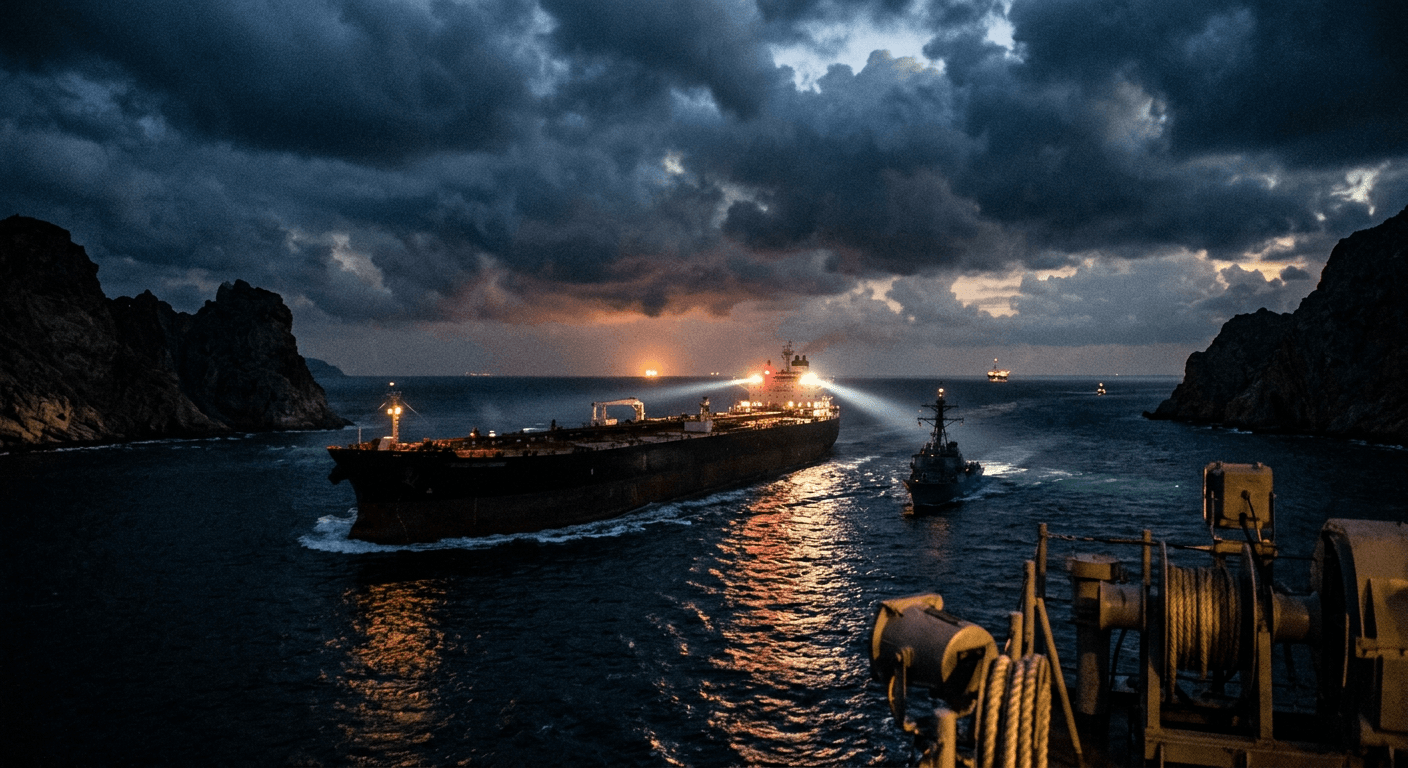
The Strait of Hormuz has once again become the focal point of global energy security. US strikes on Iranian targets have triggered fresh fears that Tehran could disrupt oil tanker traffic through this vital waterway, sending crude prices climbing and reminding markets how fragile the global oil system remains.
One-fifth of the world's seaborne oil passes through the 21-mile-wide strait between Iran and Oman. Any credible threat to close or restrict passage immediately ripples through futures markets, tanker insurance rates, and ultimately gasoline prices at the pump.
Why the Strait of Hormuz Matters for Global Oil Supply
The Strait of Hormuz functions as the single most important energy chokepoint on the planet. In 2025, roughly 21 million barrels per day of crude and petroleum products moved through it, according to the US Energy Information Administration. That volume equals about 21% of global liquid fuels consumption.
Saudi Arabia, Iraq, the United Arab Emirates, Kuwait, and Qatar all rely on the strait to reach Asian and European buyers. Iran itself exports a smaller but still significant volume through the same route when sanctions allow.
Alternative routes are limited. The East-West Pipeline across Saudi Arabia can move about 5 million barrels per day to the Red Sea, but it cannot replace the full volume. Pipelines in the UAE offer another 1.5-2 million barrels per day of spare capacity. These options help but cannot fully offset a prolonged closure.
This physical reality explains why even rumors of Iranian mine-laying or anti-ship missile activity cause immediate price spikes. Traders price in both the probability of actual disruption and the potential duration of any conflict.
Recent US-Iran Strikes and Their Immediate Market Impact
US strikes targeting Iranian facilities have renewed concerns about direct confrontation in the Persian Gulf. Oil prices climbed steadily after the strikes, with Brent crude rising above recent trading ranges as risk premiums returned to the market.
Market reaction followed a familiar pattern. Front-month futures contracts jumped first, followed by wider contango in later months as traders anticipated possible supply shocks lasting weeks or months. tanker rates for Very Large Crude Carriers (VLCCs) moving out of the Gulf also increased as insurers raised war-risk premiums.
Iran has historically responded to pressure by threatening to close the Strait of Hormuz. While a full closure remains difficult to sustain, even temporary harassment of shipping—through fast-attack boats, drones, or mines—can slow traffic and raise costs dramatically.
This latest flare-up comes against a backdrop of already tense regional dynamics. Previous incidents, including attacks on tankers in 2019 and the 2022-2023 period of heightened tensions, showed how quickly incidents can escalate and affect global pricing.
Geopolitical Context: Iran, the US, and Regional Alliances
The current situation builds on years of confrontation over Iran's nuclear program, regional proxies, and maritime security. The US maintains a significant naval presence in the Gulf and has repeatedly stated it will keep the Strait of Hormuz open to commercial traffic.
Iran's military capabilities in the area center on asymmetric warfare. The Islamic Revolutionary Guard Corps Navy operates swarms of small fast boats, coastal missile batteries, and underwater mines. These tools are designed to raise the cost of passage rather than achieve total blockade.
US Central Command has conducted freedom-of-navigation operations and maintains mine-countermeasures vessels in the region. However, any major conflict would likely draw in other Gulf states and could affect oil infrastructure on both sides of the waterway.
Related regional tensions have already influenced energy markets this year. The escalating situation involving Kuwait and broader Iran conflict dynamics demonstrated how interconnected Middle East oil politics remain.
Historical Precedents of Strait of Hormuz Disruptions
The "Tanker War" during the 1980s Iran-Iraq conflict saw both sides attack commercial shipping. Insurance rates soared, and the US reflagged Kuwaiti tankers to provide protection. Oil prices experienced volatility but did not see a sustained multi-year spike due to spare capacity elsewhere at the time.
More recent events include the 2019 seizures and attacks on tankers near the strait, which contributed to brief price spikes. In each case, the market's reaction depended heavily on perceived duration of the threat and availability of alternative supplies.
Today's market differs in important ways. Global spare capacity is tighter than in some past decades, while Asian demand—particularly from China and India—has grown substantially. This shifts the balance of who feels price pain first and most acutely.
How Higher Oil Prices Affect Consumers and Economies Worldwide
Crude price increases flow through to refined products with varying speed. Gasoline and diesel prices typically react within one to three weeks, depending on local refining capacity and inventory levels. Airlines and shipping companies pass on higher jet fuel and bunker fuel costs more slowly through surcharges.
Developing economies with high fuel subsidies face immediate budget pressure. Advanced economies see the impact through higher transportation and manufacturing costs that eventually feed into broader inflation measures.
Central banks watch these developments closely. Sustained higher energy prices can complicate efforts to manage inflation while supporting growth. The current environment adds another layer of complexity to monetary policy decisions already navigating trade tensions and technological investment cycles.
Countries heavily reliant on Gulf crude imports—Japan, South Korea, India, and China—face particular exposure. South Korea's massive technology investments, including its quantum computing and semiconductor initiatives, require stable and predictable energy costs to maintain competitiveness.
Investment Implications in an Era of Energy Geopolitics
Heightened tensions around the Strait of Hormuz create both risks and opportunities across asset classes. Energy producers with production outside the Persian Gulf often see their shares rise as markets price in a higher price floor for oil. Midstream infrastructure and tanker companies can benefit from increased volatility and rates.
Renewable energy and alternative sources gain attention during these episodes, though the pace of transition remains constrained by infrastructure and policy realities. Investors increasingly examine how cryptocurrency trading and blockchain technology might eventually challenge traditional petrodollar flows.
Broader market reactions often include flight to safe-haven assets. Gold, certain government bonds, and the US dollar typically strengthen during Middle East energy crises, while equities in import-dependent sectors face pressure.
The connection between energy security and technology investment has grown clearer. Major chipmakers and data center operators require reliable power at predictable prices. Geopolitical events that threaten this stability can influence capital allocation decisions far beyond the energy sector itself. Similar dynamics appear in Nigeria school attack 2026 and how Boko Haram kidnappings threaten regional stability and global oil markets.
Potential Scenarios for the Coming Months
Analysts generally outline three broad paths forward:
- De-escalation: Diplomatic efforts cool tensions, shipping proceeds normally, and the risk premium fades from oil prices within weeks.
- Contained Harassment: Iran conducts limited operations that slow but do not stop traffic. Insurance costs rise, effective supply decreases modestly, and prices remain elevated but do not spike to crisis levels.
- Major Disruption: Direct confrontation damages infrastructure or leads to sustained interference with shipping. This scenario would likely push Brent crude well above $100 per barrel and trigger emergency releases from strategic petroleum reserves.
The base case among most market participants currently sits between the first two scenarios, but the tail risk of the third keeps volatility elevated.
Common Mistakes Investors Make During Energy Geopolitical Crises
- Assuming past price spikes will repeat exactly in the current context. Market conditions, spare capacity, and demand profiles change over time.
- Over-relying on headlines without examining actual shipping data, inventory reports, and spare production capacity numbers.
- Neglecting the secondary effects on currencies, inflation expectations, and central bank policy that often matter more for diversified portfolios than the direct oil price move.
- Treating all Middle East tensions as equivalent. The specific actors, their capabilities, and the economic context matter significantly.
Best Practices for Navigating Strait of Hormuz and Energy Risks
- Monitor both price action and physical market indicators. Watch tanker tracking data, inventory reports from the EIA and IEA, and statements from OPEC+ members.
- Maintain portfolio diversification across energy subsectors rather than making concentrated directional bets on crude prices.
- Consider the differential impact on various economies. Exporters and importers respond differently, creating relative opportunities in equities and currencies.
- Examine longer-term implications for energy transition policies. Repeated disruptions often accelerate political support for domestic production and alternative sources.
- Stay informed about diplomatic developments. Markets can reverse quickly on credible de-escalation signals.
Understanding the mechanics of the Strait of Hormuz helps separate genuine supply threats from temporary political theater. The waterway's geography has not changed, but the global energy system around it continues to evolve with health crises reshaping global trade, energy politics, and economic security.
FAQ
How much oil travels through the Strait of Hormuz?
Approximately 21 million barrels per day, representing about one-fifth of global petroleum liquids consumption. The vast majority heads to Asian markets.
Can Iran actually close the Strait of Hormuz?
A complete, sustained closure is extremely difficult due to international naval presence and the narrow but navigable channel. However, Iran can impose significant costs and delays through asymmetric tactics that raise insurance rates and slow tanker traffic.
What happens to gas prices if the Strait of Hormuz is disrupted?
Crude price increases typically flow through to gasoline within one to four weeks. The exact impact depends on inventory levels, refinery utilization, and how long markets expect the disruption to last. Strategic reserve releases can moderate short-term effects.
Which countries are most vulnerable to Strait of Hormuz disruptions?
Japan, South Korea, China, and India import large volumes of Gulf crude. European countries have more diversified supplies but would still face higher global prices. Oil-exporting nations in the region face revenue risks if their own exports are curtailed.
How does this connect to broader cryptocurrency and financial power shifts?
Repeated energy crises highlight the vulnerabilities of traditional petrodollar recycling. Some market participants view blockchain-based systems as potential long-term alternatives for energy trade settlement, though this remains a speculative longer-term theme rather than an immediate solution.
The situation around the Strait of Hormuz serves as a recurring reminder that geography still matters in the global economy. While technology and financial innovation continue advancing, the physical movement of energy remains anchored to a few critical locations. Understanding these realities helps investors, businesses, and policymakers prepare for the next chapter of energy geopolitics in an Iran war 2026 scenario that could reshape global oil prices and energy security. Iran War 2026: How US Strikes, Strait of Hormuz Blockade, and Khamenei Funeral Reshape Global Oil Markets.
Stay informed about how these developments affect your investments and daily costs. Monitor both the headlines and the underlying physical market data that ultimately determines price direction.
Share This Article