Jonathan van den Berg · July 19, 2026
US Strikes on Iran 2026: How Renewed Airstrikes, Soldier Deaths, and Strait of Hormuz Risks Reshape Global Oil Markets
Renewed US strikes on Iran following the deaths of two American military personnel have intensified tensions in the Middle East, pushing oil prices higher and spotlighting risks to the Strait of Hormuz that could disrupt global energy flows for years.
The United States launched fresh airstrikes on Iranian targets after two American military personnel were killed in an attack attributed to Iranian-backed forces. The escalation has sent oil prices surging, raised fears of a blockade in the Strait of Hormuz, and accelerated shifts in global energy markets already strained by prior conflicts.
These US strikes on Iran come at a time when the region remains volatile. Markets reacted immediately, with Brent crude jumping more than 4 percent in early trading as traders priced in supply risks. The deaths of US troops have hardened Washington’s response, creating a cycle of retaliation that threatens shipping lanes vital to 20 percent of global oil trade.
Key Takeaways
- US strikes targeted Iranian military sites in response to the killing of two American service members.
- The Strait of Hormuz remains the central risk point, where Iran has previously threatened to disrupt tanker traffic.
- Oil prices have climbed sharply, affecting everything from gasoline to airline fuel costs for consumers worldwide.
- Bitcoin and gold have seen renewed safe-haven buying as investors seek assets less tied to traditional financial systems.
- Asset managers including Fidelity are seeing increased client interest in energy-sector funds and commodity ETFs amid the uncertainty.
- Long-term effects could include accelerated moves away from petrodollar dominance toward diversified energy and cryptocurrency alternatives.
Timeline of the Latest Escalation
The sequence began with an Iranian-linked strike that killed two US troops stationed in the region. Within hours, the Trump administration authorized retaliatory airstrikes on Iranian facilities. President Trump publicly mourned the fallen soldiers while promising a swift and decisive response.
According to reports, the US targeted command centers, missile sites, and infrastructure linked to Iran’s proxy network. Iranian officials condemned the action as aggression, promising their own retaliation. This mirrors patterns seen in earlier rounds of conflict but carries higher stakes given current oil market tightness.
The timing coincides with existing strains from previous incidents, including reported explosions in Damascus and ongoing tensions around Kuwait. These connected events create overlapping pressures on energy infrastructure across the Middle East.
Impact on Global Oil Markets
Oil traders focus intensely on the Strait of Hormuz because roughly one-fifth of the world’s seaborne oil passes through this narrow waterway. Any credible threat of closure or harassment of tankers immediately tightens supply expectations.
Following the US strikes, insurance rates for tankers traveling through the Persian Gulf spiked. Shipping companies have begun rerouting some vessels, adding days and costs to deliveries. Saudi Arabia, Iraq, and the UAE all ship significant volumes through the strait, meaning disruption affects producers beyond Iran itself.
Refiners in Asia, which rely heavily on Middle Eastern crude, face the greatest exposure. European buyers already navigating Russian supply complications now contend with additional Middle East risk. The result is broader price volatility that ripples into consumer costs for heating, transportation, and manufactured goods.
Related analysis in Gas Prices 2026: How Iran Tensions, Diesel Shortages, and Strait of Hormuz Risks Drive Energy Market Volatility shows how these pressures directly affect household budgets and corporate margins.
Strait of Hormuz: The Critical Chokepoint
The Strait of Hormuz measures just 21 miles wide at its narrowest point. Iran’s geography gives it the ability to threaten shipping with anti-ship missiles, mines, and fast-attack boats. Previous incidents demonstrated how even limited actions can create outsized market reactions.
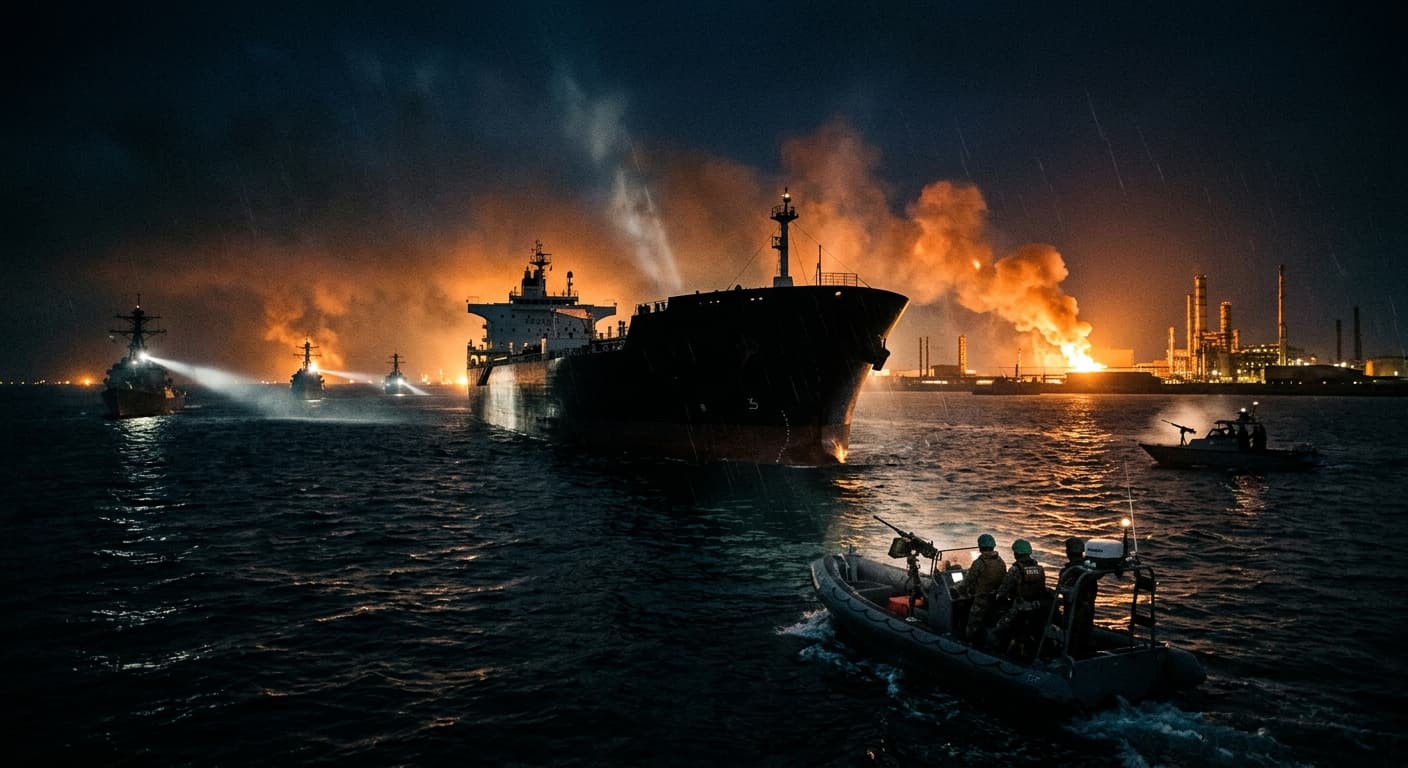
US naval forces in the region have increased patrols to deter interference. However, sustained conflict would stretch resources and raise the possibility of direct naval confrontations. Military analysts note that closing the strait for even a week could remove millions of barrels per day from global supply.
This vulnerability explains why energy security remains a core driver of US policy in the Gulf. The latest strikes aim to degrade Iran’s capacity to threaten the waterway, but they also risk provoking exactly the response Washington seeks to prevent.
Deeper background appears in Iran War 2026: How US-Iran Conflict Threatens Strait of Hormuz, Global Oil Prices, and Energy Security, which examines historical attempts to disrupt the chokepoint.
Effects on Cryptocurrency and Alternative Assets
Geopolitical shocks traditionally boost gold and, increasingly, Bitcoin. Investors view both as stores of value when fiat currencies and traditional markets face uncertainty from conflict or inflation risks.
Bitcoin trading volumes rose as the strikes were announced, with prices rebounding from recent lows. Analysts point to institutional adoption and Bitcoin’s fixed supply as reasons it performs differently than during past crises. The narrative of cryptocurrency as a hedge against petrodollar fragility gains traction during Middle East flare-ups.
Our earlier coverage in Cryptocurrency Trading and the Erosion of the Petrodollar: How Blockchain Reshapes Global Financial Power in 2026 details how blockchain technology challenges traditional energy-backed currency systems.
Gold prices also climbed as central banks continued diversifying reserves. Silver saw more modest gains, reflecting its dual role as both a monetary metal and industrial commodity used in solar panels and electronics.
Fidelity Investments and Market Reactions
Fidelity Investments, one of the largest asset managers, reported heightened client inquiries about energy exposure and inflation protection. The firm’s commodity funds and international equity strategies saw increased flows as advisors sought to reposition portfolios.
While Fidelity itself faced attention over a separate data breach settlement, its core investment platforms remain central to how retail and institutional investors adjust to geopolitical shocks. Many clients hold Fidelity-managed ETFs that track oil services, broad energy, or precious metals.
The combination of rising oil prices and equity market nervousness creates a challenging environment for balanced portfolios. Advisors recommend reviewing exposure to companies with significant Middle East operations while increasing allocations to assets that historically perform during energy-driven inflation.
Broader Geopolitical and Economic Implications
The renewed conflict adds another layer to existing global tensions. China, a major buyer of Iranian oil, faces difficult choices between maintaining economic ties and avoiding secondary sanctions. Russia, already under pressure from its own energy challenges, watches how US actions might affect its market share.
European nations, still recovering from earlier energy shocks, worry about winter heating costs if oil and natural gas prices remain elevated. Developing economies with limited fiscal space face the greatest hardship as fuel subsidies strain budgets.
The situation also intersects with other major events. The FIFA World Cup hosted across North America draws attention to how global sporting events intersect with energy politics and security concerns.
Investment Considerations in Volatile Energy Markets
Investors face several practical choices when geopolitical risk spikes:
- Diversify energy exposure. Consider producers outside the Persian Gulf, including US shale, Canadian oil sands, and Brazilian offshore developments.
- Review commodity allocations. Gold, silver, and certain agricultural commodities often act as partial hedges during energy-driven inflation.
- Evaluate currency impacts. The US dollar typically strengthens during Middle East crises, affecting multinational earnings and emerging market debt.
- Assess crypto exposure carefully. While Bitcoin has decoupled somewhat from traditional risk assets, it remains volatile and should represent only a small portfolio percentage for most investors.
- Stay liquid. Rapid developments can create buying opportunities in beaten-down sectors once initial panic subsides.
Market briefings such as those from Investing.com provide real-time context on how Bitcoin, gold, and silver move in these environments.
Common Mistakes Investors Make During Geopolitical Crises
- Reacting emotionally by selling at market lows instead of following a predetermined rebalancing plan.
- Over-concentrating in a single energy subsector without considering broader supply chain effects.
- Ignoring the difference between short-term price spikes and structural shifts in energy markets.
- Chasing cryptocurrency rallies without understanding correlation patterns with traditional safe havens.
- Failing to consider second-order effects such as higher shipping costs, insurance premiums, and inflation pass-through to consumer prices.
Best Practices for Navigating Energy Market Volatility
- Maintain a long-term strategic asset allocation that accounts for periodic geopolitical shocks.
- Use dollar-cost averaging into diversified commodity funds rather than attempting to time entries.
- Monitor multiple data sources including shipping traffic through the Strait of Hormuz, inventory reports, and statements from OPEC+ members.
- Consider the role of renewable investment as both an environmental strategy and a partial hedge against fossil fuel volatility.
- Work with advisors familiar with geopolitical risk modeling rather than relying solely on historical correlations.
FAQ
How long could the current US-Iran tensions last?
Previous cycles of escalation have lasted from weeks to several months depending on diplomatic backchannels and domestic political pressures. Sustained naval presence in the Gulf suggests this episode may continue for some time.
Will oil prices keep rising indefinitely?
Prices usually spike on initial news then stabilize as markets assess actual supply disruptions. Strategic reserves in the US, China, and other nations can moderate extreme moves, though prolonged conflict would support higher prices.
Should individual investors buy oil stocks right now?
Energy equities often rise with crude prices but can fall sharply if the conflict de-escalates quickly. Consider broad energy ETFs rather than single stocks to reduce company-specific risks.
How does this affect Bitcoin and cryptocurrency markets?
Geopolitical uncertainty tends to increase interest in decentralized assets. However, risk-off sentiment can also trigger short-term selloffs in crypto alongside equities. The net effect varies by the severity and duration of the conflict.
What role does the Strait of Hormuz play in global energy security?
The strait represents the most important oil transit chokepoint. Disruption here affects not just prices but physical delivery of crude to refineries worldwide, making it a permanent focus of naval strategy.
Conclusion
The latest US strikes on Iran highlight how quickly regional conflicts can influence global markets. While oil prices and related assets face immediate pressure, the longer-term consequences involve energy security, currency relationships, and the gradual evolution of financial power structures. For a detailed look at Trump Iran War 2026: How Strait of Hormuz Risks and Missile Strikes Reshape Global Oil Markets, additional context is available.
Investors who understand these connections and maintain disciplined strategies will be better positioned than those reacting to headlines. For those seeking exposure to these themes, reviewing current energy allocations and safe-haven holdings makes practical sense in the current environment.
Stay informed through reliable sources and consider how these developments fit into your broader financial plan rather than making impulsive changes based on daily price movements.
Share This Article