Jonathan van den Berg · August 5, 2026
Trump Iran War 2026: How Missile Strikes, Ceasefire Pause, and Strait of Hormuz Risks Reshape Global Oil Markets
The Trump Iran War 2026 has escalated tensions in the Middle East with missile strikes and a fragile ceasefire pause that directly threaten oil flows through the Strait of Hormuz. These developments have sent shockwaves through global energy markets, pushing prices higher and forcing traders, governments, and businesses to reassess supply chain risks.
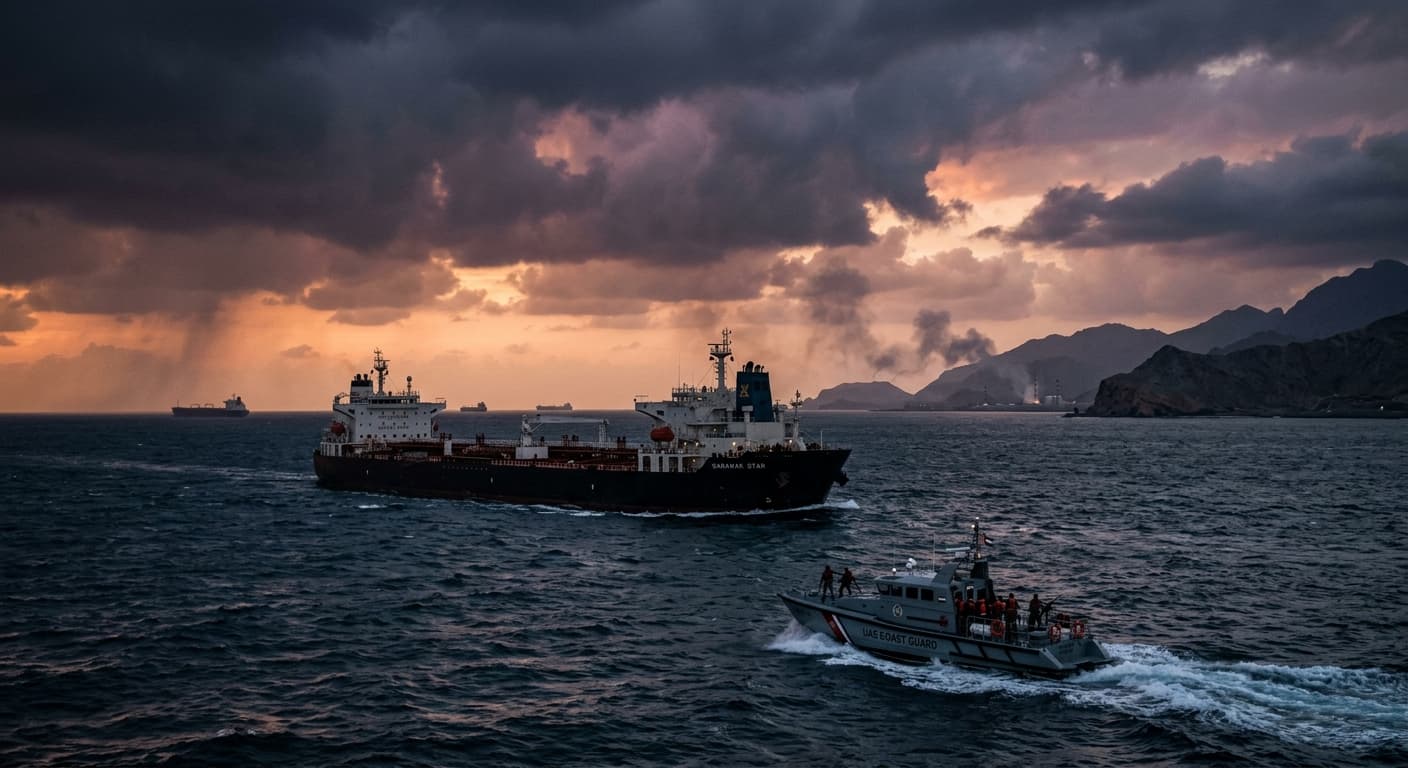
The Trump Iran War 2026 has thrust the Strait of Hormuz back into the spotlight as missile strikes and a fragile ceasefire pause create fresh risks for one of the world's most critical energy chokepoints. Roughly 21 million barrels of oil pass through this narrow waterway every day, representing about 20% of global seaborne petroleum trade. Any sustained disruption here immediately ripples into higher fuel costs, supply chain pressure, and stock market swings.
Recent U.S. strikes on Iranian targets, combined with Tehran's retaliatory missile launches, have already triggered sharp moves in crude futures. Brent crude jumped more than 8% in a single session following the latest round of attacks, while WTI climbed toward $88 per barrel. The ceasefire pause, described by diplomats as "unstable at best," has done little to restore confidence among energy traders who now price in a 30-40% probability of renewed blockade attempts within the next six months.
Key Takeaways
- The Strait of Hormuz remains the single most important energy chokepoint on the planet, with daily flows exceeding 20 million barrels.
- Missile strikes during the Trump Iran War 2026 have already driven Brent crude above $85 and exposed vulnerabilities in tanker insurance markets.
- The current ceasefire pause buys time but fails to address core disputes over nuclear enrichment and regional proxies.
- Global oil markets face persistent volatility as Asian buyers scramble for alternative supplies from the U.S., Brazil, and Guyana.
- Related tensions have spilled into broader financial markets, amplifying moves in currencies, gold, and defense stocks.
How the Conflict Escalated in 2026
Tensions that had simmered for years boiled over after the collapse of indirect talks in Vienna. U.S. officials cited intelligence showing accelerated Iranian nuclear work at Fordow and Natanz. In response, targeted strikes hit select military and nuclear-adjacent facilities. Iran answered with ballistic missile barrages aimed at U.S. bases in the Gulf and commercial vessels near the Strait.
The exchange produced casualties on both sides and briefly shut down shipping lanes for 72 hours. Lloyd's of London syndicates responded by raising war risk premiums on tankers by 400% for voyages involving Iranian waters. Several major shipping firms rerouted vessels around the Cape of Good Hope, adding 15-20 days to transit times from the Middle East to Europe and Asia.
This sequence mirrors patterns seen in earlier flare-ups but carries higher stakes because of the current alignment of regional players. Saudi Arabia and the UAE have quietly increased production to offset potential losses, yet both nations also hedge by maintaining contacts with Tehran. Russia and China continue to purchase discounted Iranian crude, complicating Western sanctions enforcement.
The Strategic Importance of the Strait of Hormuz
The Strait measures just 21 nautical miles at its narrowest point. Tankers must navigate through two shipping lanes, each two miles wide, separated by a buffer zone. Iran has repeatedly threatened to close the waterway using a combination of anti-ship missiles, naval mines, and fast-attack boats from the Islamic Revolutionary Guard Corps.
Historical data shows that even the threat of closure creates outsized price reactions. During the 1980s Tanker War, insurance costs spiked and oil prices rose 30% despite actual disruptions remaining limited. Today's market is even tighter because spare production capacity outside OPEC+ sits near historic lows.
Alternative routes exist but cannot replace the volume quickly. Pipelines across Saudi Arabia to the Red Sea carry only about 5 million barrels per day at full capacity. Expanding them would take years and billions of dollars. This physical reality explains why every U.S.-Iran confrontation immediately translates into higher prices at the pump for American drivers and higher heating costs for European households.
Impact on Global Oil Supply Chains
Asian economies absorb roughly 75% of the crude that exits the Persian Gulf. China, India, Japan, and South Korea have all accelerated purchases of non-OPEC crude from the United States, Canada, and Latin America. Yet logistics constraints limit how fast this shift can occur.
U.S. shale producers have ramped output, but pipeline and export terminal capacity in the Gulf Coast creates bottlenecks. Brazilian pre-salt fields continue impressive growth, yet political uncertainty around future licensing rounds adds risk. These supply shifts illustrate how geopolitical stress in one region forces costly adjustments across the entire energy system.
The conflict has also accelerated interest in cryptocurrency trading and the erosion of the petrodollar. Some Iranian oil sales now settle outside traditional banking channels, using digital assets to evade sanctions. While volumes remain small, the trend highlights longer-term pressure on the dollar's dominance in energy trade.
Market Reactions and Price Volatility
Energy traders have repriced risk aggressively. Implied volatility on crude options sits at levels last seen during the early days of the pandemic. Crack spreads—the difference between crude and refined product prices—have widened as refiners worry about feedstock availability.
Gold and the Swiss franc have rallied as traditional safe havens. Defense contractors with exposure to Gulf contracts have seen share prices climb. Meanwhile, airline stocks dropped on higher fuel cost forecasts.
Stock markets show similar sensitivity. The connection between Middle East tensions and broader equities appears clearly in recent trading sessions, as detailed in analyses of how Iran nuclear optimism and Middle East tensions drive global volatility in 2026.
Insurance, Shipping, and Secondary Effects
Beyond headline oil prices, the conflict has strained supporting industries. Tanker operators report difficulty securing coverage for voyages near Iran. Some have chosen to sail dark—turning off transponders—to avoid detection, raising environmental and safety concerns.
European natural gas prices also moved higher on fears that prolonged instability could disrupt LNG shipments from Qatar, which must pass through the same contested waters. Fertilizer and petrochemical markets felt knock-on effects as feedstock costs climbed.
Ceasefire Pause: Fragile Foundation for Diplomacy
The current pause in direct hostilities emerged after back-channel talks involving Oman and Qatar. Both sides claim victory. The U.S. points to degraded Iranian military capabilities. Tehran highlights its ability to disrupt global commerce at low cost.
Yet core issues remain unresolved. Iran continues limited uranium enrichment. Proxy militias in Iraq, Syria, and Yemen stay active. Naval forces on both sides maintain heightened alert in the Gulf. Most analysts view the ceasefire as a temporary breathing space rather than a genuine path to lasting agreement.
This uncertainty keeps risk premiums embedded in oil futures curves. The six-month forward curve shows persistent contango, rewarding traders who store physical barrels rather than selling them immediately.
Geopolitical Ripple Effects Beyond Oil
The conflict has strained alliances and created unexpected partnerships. European nations criticize unilateral U.S. action while quietly benefiting from increased American LNG imports that replace Russian supplies. China expands its strategic petroleum reserve during price dips, further complicating global inventory signals.
Domestic political calculations in Washington also play a role. Higher gasoline prices test public tolerance at a time when other economic pressures already weigh on household budgets. This dynamic influences the pace and scope of any future military decisions.
Related health and security developments, such as the travel vaccine requirements evolving amid health crises, add another layer of complexity for international business travel and diplomatic engagement in the region. The same shockwaves have also highlighted vulnerabilities in global technology supply chains, particularly how the 2026 Japan Earthquake reshapes semiconductor markets, AI data center expansion, and critical minerals strategy.
Common Mistakes Investors Make During Energy Crises
- Chasing headline price spikes without considering spare capacity data from the IEA and EIA.
- Assuming tanker disruptions will last months when historical precedent shows most incidents resolve faster.
- Overlooking secondary effects on currencies, shipping rates, and agricultural commodities.
- Treating the ceasefire pause as permanent rather than a high-risk interlude.
- Ignoring the growing role of non-OPEC supply sources that can partially offset Persian Gulf losses.
Best Practices for Navigating Current Volatility
- Monitor daily Strait of Hormuz transit data published by shipping trackers and intelligence firms.
- Track inventory builds in Cushing and floating storage levels in Asia as early warning indicators.
- Diversify energy exposure across oil, natural gas, renewables, and nuclear-related equities.
- Use options rather than outright futures to hedge specific price risks without unlimited downside.
- Stay informed on diplomatic channels involving third parties like Oman that often facilitate de-escalation.
FAQ
How much oil travels through the Strait of Hormuz daily?
Approximately 21 million barrels per day, accounting for about one-fifth of global seaborne oil trade. Any significant interruption immediately affects prices worldwide.
Will the ceasefire pause hold?
Most analysts assign it a low probability beyond the next three months. Underlying disputes over Iran's nuclear program and regional influence remain unaddressed.
How high could oil prices go if the Strait is blocked?
Models suggest $120-150 per barrel in a prolonged closure scenario, though alternative supplies and demand destruction would eventually moderate the peak.
What countries are most exposed to disruptions?
China, India, Japan, South Korea, and Europe rely heavily on Gulf crude. The United States is more insulated but still feels effects through global pricing.
How does this conflict affect everyday consumers?
Higher gasoline, diesel, heating oil, and aviation fuel costs flow through to grocery prices, shipping rates, and airline tickets. Effects appear within weeks.
Looking Ahead
The Trump Iran War 2026 has reminded markets how quickly geopolitical friction in the Middle East can translate into economic pain far beyond the region. While the ceasefire pause offers temporary relief, the underlying risks around the Strait of Hormuz will likely keep energy prices elevated and volatile for the foreseeable future. Qatar Iran War 2026 and Strait of Hormuz risks.
Businesses that build flexibility into supply chains, investors who maintain balanced portfolios, and policymakers who coordinate with allies stand the best chance of weathering the next round of tension. For those watching energy markets closely, the coming weeks will test whether diplomacy can finally produce more than another fragile pause.
Stay ahead of these shifts by tracking both the latest diplomatic signals and the hard data on production, inventories, and shipping flows. The next disruption may come without much warning.
Share This Article