Jonathan van den Berg · July 12, 2026
Iran War 2026: How US Strikes, Strait of Hormuz Blockade, and Khamenei Funeral Reshape Global Oil Markets
US strikes on Iranian targets have prompted Tehran to mine the Strait of Hormuz, halting 20 percent of global oil shipments and sending crude prices surging. The death and funeral of Supreme Leader Ali Khamenei add further uncertainty as markets price in prolonged disruption.
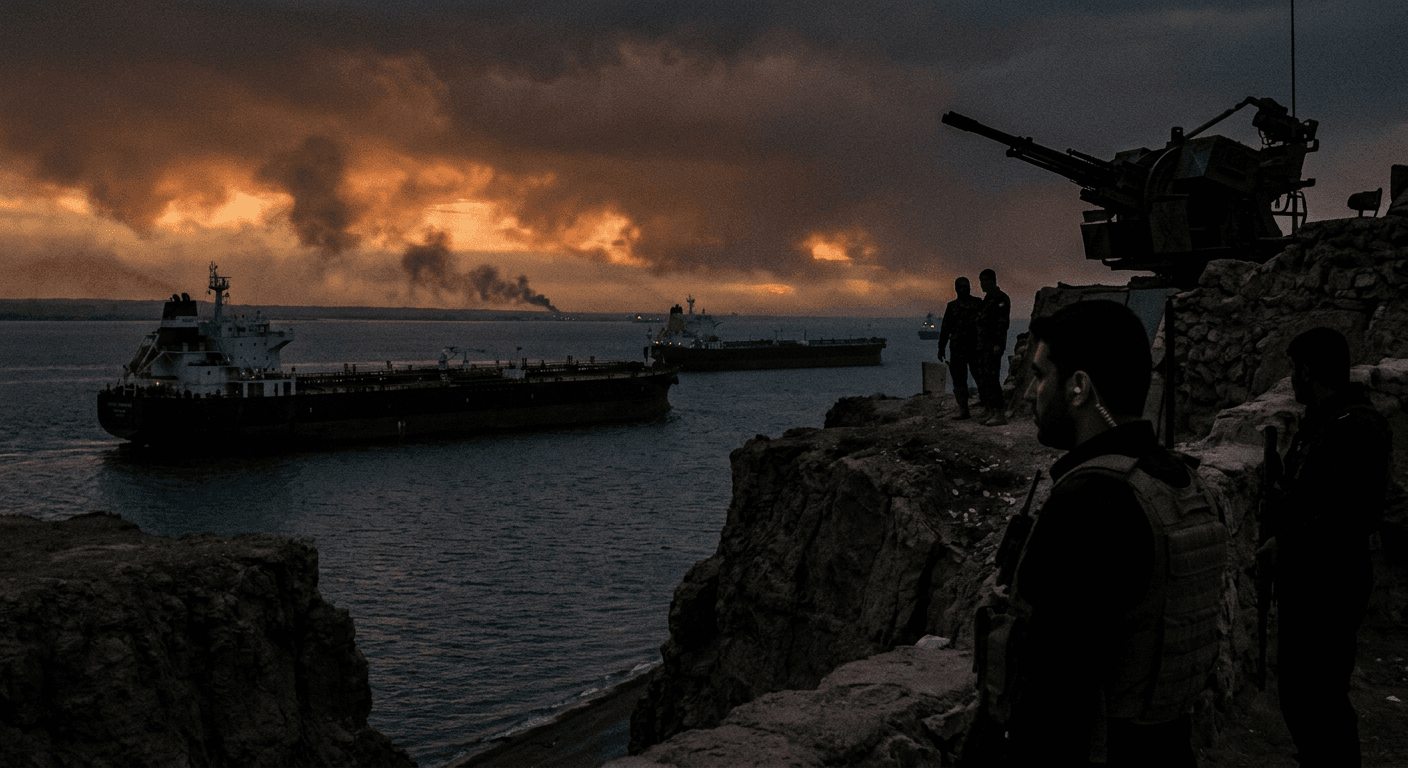
The United States carried out targeted strikes on Iranian military and nuclear sites in early July 2026, prompting immediate retaliation. Iran responded by deploying naval mines and fast-attack vessels to close the Strait of Hormuz, the narrow chokepoint through which roughly one-fifth of global oil supply passes daily. Supreme Leader Ali Khamenei died during the ensuing escalation, with his funeral in Mashhad further inflaming domestic sentiment and hardening Tehran’s position. Oil prices jumped more than 12 percent in 48 hours as traders priced in weeks or months of disrupted flows.
This sequence has moved beyond regional conflict into a direct threat to global energy security. Shipping insurers have raised war-risk premiums by 400 percent for vessels transiting the Persian Gulf. Asian refiners face immediate feedstock shortages, while European nations scramble to redirect cargoes originally headed for Asia.
Key Takeaways
- Iran’s mining of the Strait of Hormuz has halted approximately 21 million barrels per day of crude and product exports.
- Brent crude surged from $78 to $92 per barrel within three trading sessions, with West Texas Intermediate following closely.
- Khamenei’s death and state funeral have consolidated hardliner control, reducing prospects for near-term de-escalation.
- Global inventories can cover only 35–45 days of full Hormuz closure before widespread shortages appear.
- Alternative routes via pipelines and rail add $8–14 per barrel in transport costs and take months to scale.
- Stock markets in oil-importing nations fell sharply, while energy-sector equities gained 9–18 percent.
Timeline of the July 2026 Escalation
On July 8, US forces struck three Iranian nuclear-related facilities and two missile bases in response to intelligence indicating imminent weaponization activity. Iran’s Islamic Revolutionary Guard Corps responded within hours by seeding mines across the eastern entrance to the Strait of Hormuz and declaring the waterway a “war zone.”
By July 10, at least seven tankers had reported mine strikes or near-miss incidents. Lloyd’s of London withdrew standard coverage for the Gulf. On July 11, state television announced Khamenei’s death from “complications following a stroke,” though many analysts suspect the timing relates to the stress of the crisis. His funeral procession in Mashhad drew hundreds of thousands, with chants demanding revenge against the United States and Israel.
The sequence mirrors patterns seen in earlier crises but with faster market reaction due to tighter global spare capacity and reduced Russian exports from ongoing Ukrainian drone strikes on refineries.
Why the Strait of Hormuz Matters for Global Oil Markets
The Strait of Hormuz measures just 21 nautical miles at its narrowest point. Roughly 21 million barrels of oil move through it every day—about 21 percent of global petroleum liquids consumption. Qatar’s liquefied natural gas exports, which supply much of Asia, also rely on the same passage.
Alternative export routes for Persian Gulf producers are limited. Saudi Arabia’s East-West Pipeline can move 5 million barrels per day to the Red Sea, but it is already running near capacity. The UAE’s Habshan-Fujairah pipeline adds another 1.5 million barrels, yet both routes still leave the majority of Iranian, Iraqi, and Kuwaiti crude dependent on tanker traffic through the strait.
Closure forces traders to bid aggressively for remaining Atlantic Basin barrels and pushes Asian buyers toward West African and Brazilian grades, tightening those markets as well.
Immediate Market Reactions and Price Drivers
Brent futures settled at $91.40 on July 11 after touching an intraday high of $93.80. The forward curve moved into steep backwardation, signaling immediate physical tightness. Implied volatility on oil options reached levels last seen during the 2022 invasion of Ukraine.
US strategic petroleum reserve releases remain politically complicated after earlier drawdowns. China has released modest volumes from its own strategic stocks but appears reluctant to flood the market and lower prices that would benefit its domestic producers less.
Related regional tensions, including recent explosions in Damascus, have compounded fears that the conflict could spread to multiple oil-producing states simultaneously.
Economic Ripple Effects Across Sectors
Higher energy costs feed directly into inflation readings at a time when many central banks had hoped to begin cutting rates. European manufacturers, already struggling with high energy prices since 2022, face renewed pressure. Chemical producers in Germany and the Netherlands warned of potential output cuts within two weeks if feedstock prices remain elevated.
Airlines adjusted fuel surcharges upward by 6–9 percent within 24 hours of the initial price spike. Shipping companies rerouted vessels around the Cape of Good Hope, adding 10–14 days to Asia-Europe transit times and increasing bunker fuel consumption by roughly 30 percent per voyage.
Equity markets showed classic risk-off behavior. Technology and consumer discretionary stocks dropped 3–5 percent while integrated oil majors and defense contractors rose. Gold climbed above $2,650 per ounce as investors sought safe-haven assets.
Impact on Emerging Markets and Developing Economies
India, which imports 85 percent of its oil, saw the rupee weaken to record lows against the dollar. The government faces difficult choices between subsidizing diesel prices for farmers ahead of planting season or allowing pump prices to rise and risk social unrest.
Pakistan and Sri Lanka, still recovering from earlier balance-of-payments crises, called emergency meetings with the IMF. Indonesia and the Philippines, both net importers, began tapping contingency fuel reserves while negotiating emergency cargoes from Australia and the United States.
These dynamics echo concerns raised in analyses of Kuwait tensions and Middle East oil politics, where even modest supply fears quickly translate into higher import bills for vulnerable economies.
Geopolitical Realignment and Energy Security Strategies
The crisis accelerates long-discussed efforts to reduce dependence on Middle Eastern oil. European nations are fast-tracking contracts for additional US LNG and Norwegian gas. Japan and South Korea are accelerating nuclear restarts and signing new long-term deals with Australian and US suppliers.
China has increased purchases of Russian crude via discounted rail and pipeline routes, even as quality concerns persist. Beijing’s strategic petroleum reserve releases appear calibrated to prevent domestic panic while allowing state refiners to stockpile at relatively lower prices than open-market levels.
The conflict also highlights the limitations of OPEC+ spare capacity. Saudi Arabia and the UAE have both indicated they are producing near maximum sustainable levels after earlier quota increases. This leaves global markets unusually exposed to any further shocks.
For deeper context on how these events intersect with broader energy politics, see the full breakdown of the 2026 Iran conflict’s threat to the Strait of Hormuz.
Potential Paths to Resolution and Market Scenarios
Three broad scenarios have emerged among analysts:
- Short disruption (2–4 weeks): Diplomatic pressure from China and indirect talks through Oman lead to partial reopening of the strait. Oil prices retreat to the low $80s after initial spike.
- Prolonged closure (2–6 months): Iran maintains mining operations while demanding sanctions relief and security guarantees. Global recession risks rise as energy costs suppress consumer spending. Prices test $110–$130.
- Escalation to direct conflict: Further US or Israeli strikes on Iranian mainland targets trigger attacks on Gulf infrastructure. Oil prices move above $150 and global supply chains fracture further.
Most trading desks currently assign highest probability to the middle scenario, with oil expected to average $105 for the remainder of 2026 if the blockade persists beyond August. Trump Iran War 2026: How the Ceasefire Pause Reshapes Global Oil Markets and Energy Security
Common Mistakes Investors Make During Energy Shocks
- Chasing price spikes without considering inventory levels and alternative supply responses.
- Assuming OPEC+ will always act as swing producer when many members are already at capacity.
- Overlooking logistics—pipeline constraints and port congestion can keep physical markets tight even if headline production figures look adequate.
- Ignoring currency effects. A stronger dollar during risk-off periods can mask the true cost increase for non-dollar economies.
Best Practices for Businesses and Policymakers
- Stress-test budgets and contracts against $110–$130 oil for at least the next six months.
- Diversify energy sources aggressively, including renewables, nuclear restarts, and non-Middle East suppliers.
- Maintain strategic stockpiles covering at least 60 days of net imports rather than relying on just-in-time delivery.
- Communicate transparently with the public about likely price increases to reduce panic buying and hoarding.
- Explore hedging strategies that protect against both price spikes and potential demand destruction from resulting economic slowdown.
Frequently Asked Questions
How long can the world manage without Strait of Hormuz oil?
Commercial inventories plus strategic reserves in OECD countries and China provide roughly 35–45 days of buffer at current consumption rates before widespread rationing or forced demand destruction occurs. After that, prices would likely rise sharply enough to reduce consumption through economic means.
Will the US release more oil from the Strategic Petroleum Reserve?
Current legal and political constraints make large-scale releases unlikely in the near term. Any draw would be limited and targeted at preventing critical infrastructure failures rather than broadly lowering prices.
What happens to gas prices at the pump?
Retail gasoline prices in the United States have already risen 28 cents per gallon on average since the strikes began. Further increases of 60–90 cents are probable if the blockade lasts beyond one month, though regional variations will be significant depending on refinery configurations and inventory levels. For a detailed examination of how these Iran tensions, diesel shortages, and Strait of Hormuz risks are driving energy market volatility, see Gas Prices 2026: How Iran Tensions, Diesel Shortages, and Strait of Hormuz Risks Drive Energy Market Volatility.
How does this affect crypto and broader financial markets?
Higher energy costs typically weigh on risk assets. However, the crisis has also driven flows into Bitcoin, gold, and silver in a pivotal 2026 geopolitical landscape as alternative stores of value. See related analysis on how cryptocurrency trading and the erosion of the petrodollar intersect with these geopolitical shifts.
Could this conflict spread to other oil producers?
Risk of contagion remains high. Attacks on Saudi or Emirati facilities would dramatically worsen the supply picture. Markets are closely watching Houthi activity in the Red Sea and any signs of increased militia activity in Iraq.
Conclusion
The combination of direct US military action, Iranian closure of the Strait of Hormuz, and the power vacuum following Khamenei’s death has created the most serious energy supply crisis in decades. While history shows that such chokepoints eventually reopen, the path back to normal flows will be measured in weeks and months rather than days. Businesses, governments, and investors who prepare for sustained higher energy prices and greater volatility will be better positioned than those hoping for a quick resolution.
Understanding these dynamics is essential whether you manage a global supply chain, invest in energy markets, or simply fill your tank each week. The coming months will test the resilience of both physical energy systems and financial markets in ways few anticipated at the start of 2026. Trump Fundraising Groups 2026: How Dark Money and Policy Priorities Drive Economic Influence
Share This Article