Jonathan van den Berg · May 13, 2026
Beijing Braces for High-Stakes Trump Visit as US-China Trade Tensions Simmer
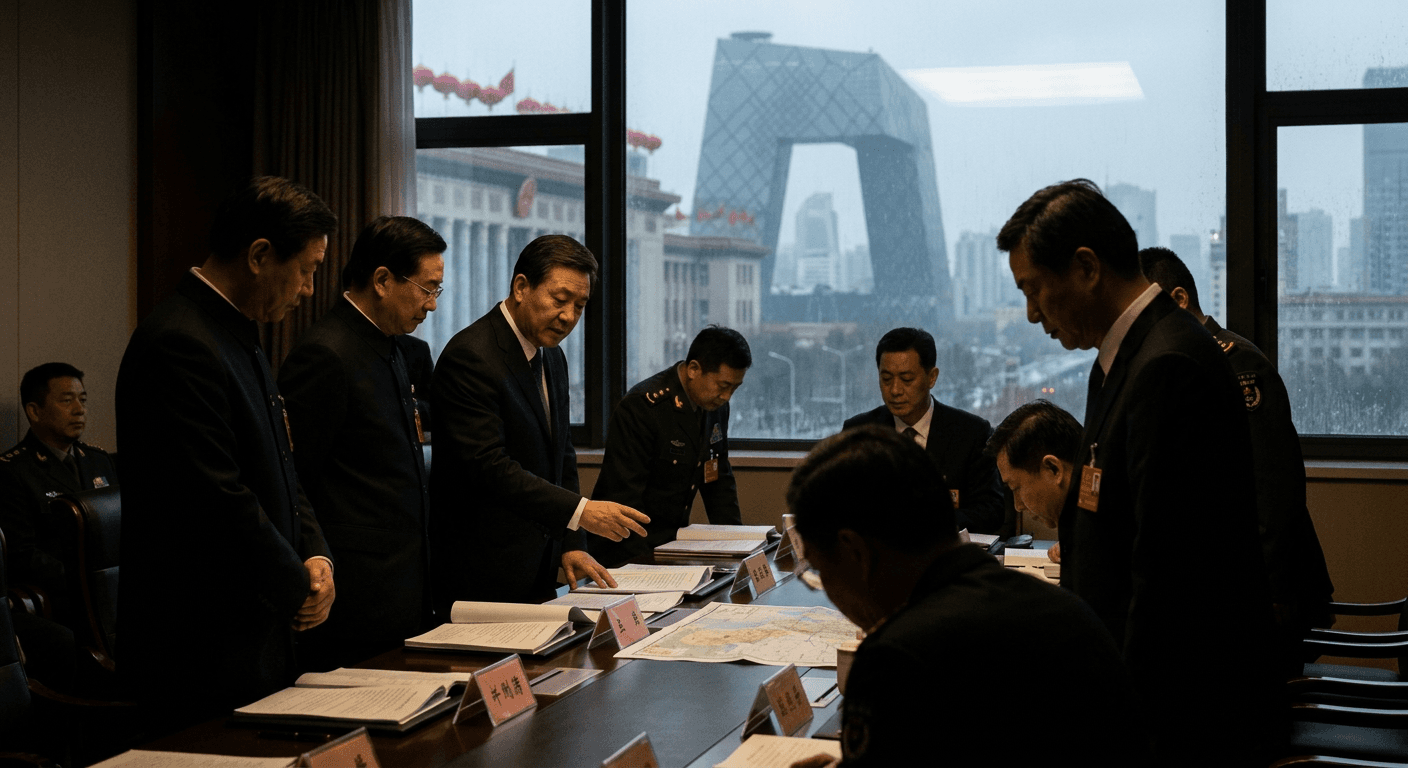
In Beijing, Chinese officials are preparing for Donald Trump’s upcoming visit amid fresh concerns over tariffs, technology restrictions, and the future of bilateral trade that affects everything from factory jobs in the Midwest to supply chains across Asia.
In Beijing, Chinese diplomats and economic advisers are working late nights ahead of Donald Trump’s anticipated visit, hoping to ease tensions that have rattled global markets and disrupted supply chains for years.
The stakes are high. Trump’s return to the White House has revived old battles over trade imbalances, technology leadership, and who sets the rules for the world’s two largest economies. For American families, this means uncertainty about the price of electronics, cars, and even new homes. For Chinese workers, it touches factory orders and employment in cities that depend on exports.
Neither side wants a full-blown trade war, yet both are prepared to play hardball. The upcoming meetings in Beijing will test whether the two powers can find practical deals or whether competition will keep intensifying.
Why This Visit Matters Right Now
Trump has long complained that China takes advantage of the United States on trade. During his first term he imposed tariffs on hundreds of billions of dollars of Chinese goods. Many of those tariffs remain in place. Chinese leaders, for their part, see American export controls on advanced chips and technology as an attempt to contain China’s rise.
Recent economic data shows both countries feeling pressure. In the United States, stock market volatility has made investors nervous about policy swings. Housing markets in many American cities have cooled faster than expected, with April sales coming in flat according to multiple reports. Higher mortgage rates tied to inflation worries have kept many buyers on the sidelines even as some new homes have become more affordable than at any point since 2021.
In China, the slowdown has been visible in weaker consumer spending and challenges in the property sector. Beijing has tried to stimulate growth through targeted spending, but local governments carry heavy debt loads. The Trump visit comes at a moment when Chinese officials want to stabilize relations enough to support their own economic goals.
Trade, Tariffs, and Real-World Effects
Tariffs sound abstract until you look at everyday items. A tariff is simply a tax on imported goods. When the US puts tariffs on Chinese-made products, American importers pay more. They often pass some of that cost to consumers or switch suppliers, which can raise prices or create shortages.
During Trump’s first presidency, tariffs hit washing machines, solar panels, steel, aluminum, and thousands of consumer products. Many American manufacturers said the policy helped protect certain industries, but farmers suffered when China retaliated by buying fewer US soybeans and other agricultural goods.
Today the conversation has moved beyond simple manufactured goods. The real fight centers on advanced technology. The US has restricted exports of the most sophisticated semiconductors to China. These chips power everything from smartphones to artificial intelligence systems and military hardware.
Taiwan sits at the center of this struggle. The island produces more than 90 percent of the world’s most advanced chips through companies like TSMC. Any serious disruption there would hurt both the US and Chinese economies. This explains why TSMC stock often moves sharply on news about US-China relations.
Technology Competition and Semiconductor Power
The semiconductor industry has become a clear arena for economic and strategic rivalry. Memory chips, processors, and the equipment used to make them all matter. When demand for DRAM chips rises or falls, it sends signals about the health of the global electronics industry.
China has poured massive resources into building its own semiconductor capabilities. Progress has been real but uneven. American policy aims to slow that progress by denying China access to the best tools and talent. Chinese firms respond by investing heavily in domestic alternatives and sometimes finding creative ways around restrictions.
This back-and-forth affects ordinary people in surprising ways. Your next smartphone, laptop, or electric vehicle depends on these supply chains. When costs rise or delays occur, prices go up or features get cut. Companies that make cars, medical devices, or defense systems all feel the pressure.
The situation also connects to broader questions about energy and resources. Advanced chips require enormous amounts of electricity to manufacture. As both countries push for leadership in electric vehicles and renewable energy, control over the underlying technology becomes even more important.
Housing Markets Reveal Wider Economic Stress
The housing picture in the United States tells its own story about the current economic climate. Many analysts expected a strong spring buying season. Instead, sales have been disappointing. Mortgage rates remain elevated partly because investors worry about inflation and future federal policy.
Some markets face bigger problems. Certain cities could see meaningful price drops if current trends continue. At the same time, builders report that new homes in some areas have become relatively more affordable compared with recent years. The gap between what people earn and what houses cost still creates real hardship for young families and first-time buyers.
These domestic pressures shape how American leaders approach talks with China. When American voters feel squeezed by high prices or slow wage growth, politicians face strong incentives to show they are standing up to foreign competitors. This political reality makes compromise more difficult even when both sides recognize the costs of prolonged conflict.
China faces its own version of these pressures. Years of rapid building left many cities with too much housing. Developers took on heavy debts. When sales slowed, the entire sector wobbled. Beijing has taken steps to stabilize the market, but confidence remains shaky. A stable trade relationship with the United States could help Chinese exporters and support broader economic recovery.
The Crypto Angle and Shifting Financial Power
While governments argue over traditional trade, technology is creating new financial channels. Cryptocurrency has grown into a meaningful part of the global money system. Some observers see digital currencies as a way to reduce dependence on the US dollar for international transactions.
China maintains tight controls on cryptocurrency trading within its borders while developing its own digital currency for official use. The United States has taken a more hands-off approach in some areas but has also moved to regulate parts of the crypto industry.
This connects directly to larger questions about the future of the dollar’s dominant role. For decades, most international trade, especially in oil, has been priced in dollars. That arrangement gives the United States certain advantages. As new technologies emerge, that system faces gradual pressure.
Articles examining how blockchain technology may reshape global financial power show that these changes are not abstract. They affect how countries settle trade, manage reserves, and protect themselves from sanctions or financial pressure.
What Beijing Hopes to Achieve
Chinese leaders want several practical outcomes from Trump’s visit. They would like to see some tariffs reduced, especially on goods that matter for Chinese exports. They also want clearer rules around technology transfers and investment.
At the same time, Beijing has no intention of making major concessions on core strategic issues. The government continues to support domestic technology champions and maintains its positions on Taiwan, the South China Sea, and other sensitive matters.
The tone of the meetings will matter. Both sides understand the value of stability. Complete decoupling of the two economies would be enormously expensive. Most serious analysts estimate it would shave meaningful points off global economic growth for years.
Instead, the likely path is managed competition. Each country will protect what it sees as vital interests while trying to keep trade flowing in less sensitive areas. The challenge lies in defining those boundaries without constant crisis.
Impact on American Workers and Businesses
For many American manufacturers, competition with Chinese firms remains intense. Some industries have benefited from tariffs and renewed focus on domestic production. Others have struggled with higher input costs or lost export markets.
The technology sector tells a more complicated story. American companies still lead in innovation, design, and software. But they rely on complex global supply chains that include Chinese factories and components. Sudden policy changes can disrupt those chains and raise costs.
Smaller businesses often feel these shifts most acutely. A Midwestern farmer who sells soybeans, an electronics retailer in California, or a component manufacturer in Ohio may see their fortunes swing based on decisions made in Washington and Beijing.
Consumers ultimately pay many of the costs. When trade tensions raise the price of imported goods, that money comes from household budgets. Over time, this affects living standards even if it is not always obvious.
Looking Beyond the Headlines
The Trump visit to Beijing is not likely to produce dramatic breakthroughs. These relationships move slowly and involve countless details across dozens of government agencies and industries.
What matters more is the direction leaders set. Will the two sides create mechanisms for regular dialogue on technology standards, export controls, and investment rules? Can they find areas where cooperation serves both nations, such as climate research or public health preparedness?
The housing market slowdown in the United States and economic pressures in China both reflect deeper forces at work. Global growth has slowed. Debt levels are high in many countries. Demographic changes are reshaping labor markets. Technology is transforming industries faster than governments can adapt.
In this environment, wise leadership means avoiding unnecessary conflict while protecting genuine national interests. It also means being honest with citizens about the trade-offs involved.
Ordinary people in both countries want similar things: stable jobs, affordable homes, rising living standards, and reasonable security. Trade and technology policy should ultimately serve those goals rather than become ends in themselves.
The meetings in Beijing offer a chance to move in that direction. Success will not be measured in grand declarations but in quieter progress—fewer surprise tariffs, more predictable rules for businesses, and gradual reduction in unnecessary friction that raises costs for everyone.
The coming weeks will reveal whether both governments recognize this reality or whether domestic political pressures push them toward more confrontation. For now, the lights in government buildings across Beijing burn late as officials prepare their positions. The world will be watching what they manage to achieve.
The relationship between the United States and China will remain the most important bilateral tie in the world for years to come. Getting it right matters for factory workers in Guangdong, engineers in Silicon Valley, farmers in Iowa, and families trying to buy their first home in cities across both nations.
Conclusion
Trump’s visit to Beijing comes at a delicate moment. Economic pressures in both countries have made leaders more cautious about escalating conflict, yet political incentives still reward tough talk. Trump-Xi Summit Signals Fragile Pause in US-China Trade War as Taiwan Remains the Core Flashpoint
The real test will not be the photo opportunities or joint statements. It will be whether practical agreements emerge that stabilize key supply chains, reduce senseless costs, and create space for both economies to grow without constant threat of disruption.
Housing markets, technology competition, semiconductor supply chains, and shifting financial technologies all interconnect. Decisions made in these Beijing meetings will ripple through global markets and into the daily lives of millions of people.
The goal should be clear: manage competition responsibly while preserving the enormous benefits that come from trade and technological exchange. Anything less sells short the interests of citizens in both countries who simply want predictable, prosperous lives.
Watch what actually changes after the visit—not just what is said during it. That will tell the real story about where US-China economic relations are heading in the years ahead.
Share This Article