Jonathan van den Berg · August 21, 2026
Why Are Harry and Meghan Going Back to the UK in 2026
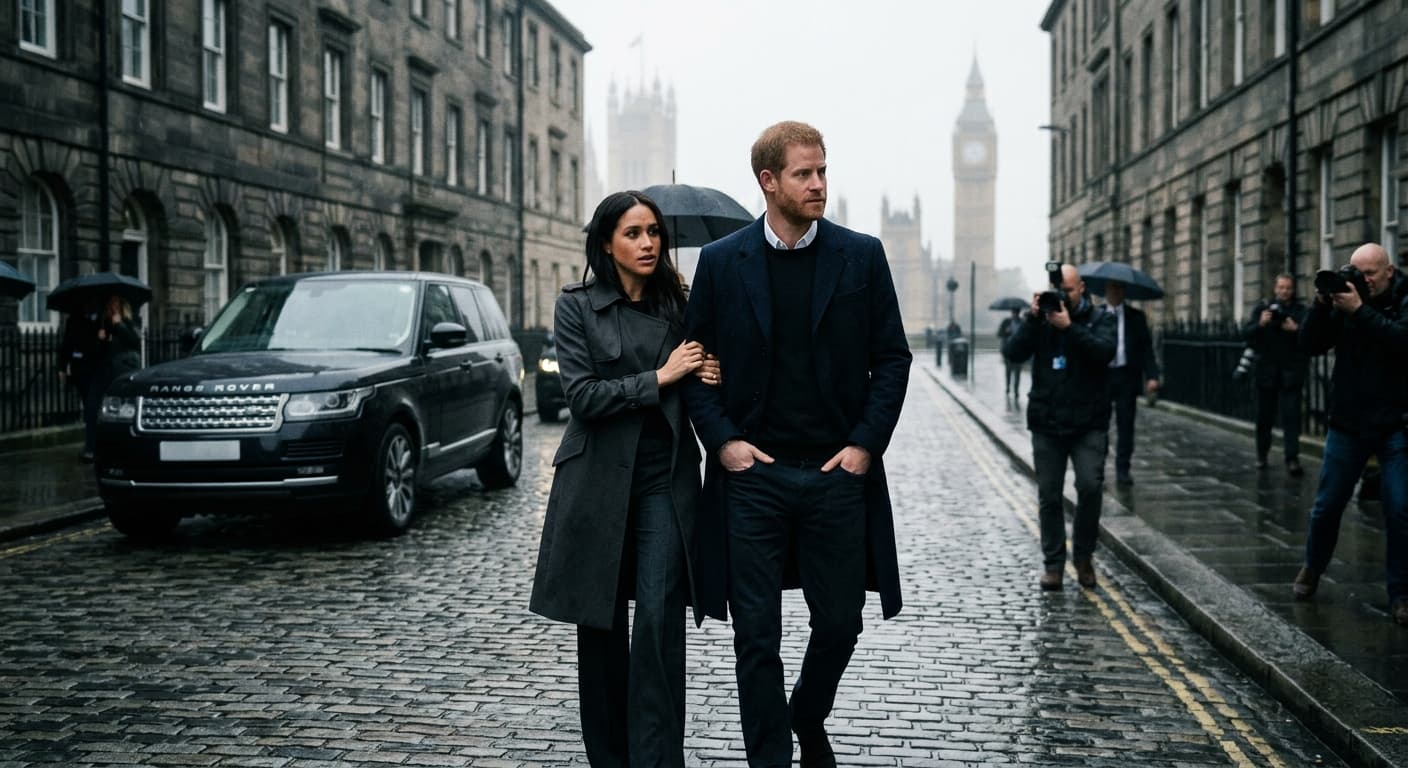
Prince Harry and Meghan Markle are heading back to Britain after years of tension. The move is driven by King Charles's health, ongoing security battles, and questions over their long-term funding.
Prince Harry and Meghan Markle are returning to the UK. The couple plans an extended stay that includes public engagements, private family meetings, and attempts to repair relations strained since their 2020 departure.
Reports from multiple outlets confirm the trip comes as King Charles continues cancer treatment and the couple faces mounting pressure over their California lifestyle costs and security arrangements.
Key Takeaways
- Harry and Meghan will spend several weeks in Britain starting in late 2026, including time at Windsor and possible London events.
- King Charles’s health remains the primary stated reason for the visit, though reconciliation talks are expected.
- Security costs and taxpayer funding disputes continue to complicate their UK presence.
- The trip may test whether the couple can rebuild limited working ties with the royal institution without full reintegration.
- Public opinion in Britain remains divided, with younger audiences more sympathetic to the Sussexes.
What Prompted the Return Now
The timing aligns with King Charles’s ongoing health challenges. Palace insiders say the monarch wants to see his son and grandchildren while his condition allows. Harry has made short visits in recent years, but this marks the first joint trip with Meghan and the children in some time.
Additional factors include legal setbacks in their UK security case. A court ruling earlier this year upheld the government’s decision to downgrade their publicly funded protection. The couple has appealed and continues to argue that private funding cannot guarantee safety on British soil.
Financial pressures in Montecito also play a role. Their Netflix deal has delivered fewer projects than expected, and Spotify ended its partnership. With two young children and high property costs, the Sussexes need to stabilize their income. A UK visit offers opportunities for new deals and public appearances that could reset their brand.
The Security Dispute at the Heart of the Rift
Since stepping back as working royals, Harry and Meghan lost automatic police protection. The UK Home Office placed them on a different risk category that requires them to pay for their own security when visiting.
Harry has called this arrangement unfair and unsafe. He argues that his military service and past threats from extremist groups justify continued public funding. British taxpayers have pushed back, citing the couple’s decision to live abroad and pursue commercial opportunities.
This dispute has blocked several previous visits. The upcoming trip reportedly involves privately funded security coordinated with Metropolitan Police, though details remain confidential for safety reasons.
Similar risk calculations appear in other high-profile protection cases involving public figures who straddle official and private roles.
Family Dynamics and King Charles’s Health
King Charles’s cancer diagnosis in early 2025 has reshaped royal family priorities. Harry has spoken publicly about wanting his children to know their grandfather. Sources close to the family say Charles has expressed a desire for more contact before his condition potentially worsens.
Prince William’s role as heir has grown. The brothers’ relationship remains frosty, but mutual friends have encouraged low-key meetings during the visit. No joint public appearances are confirmed.
Queen Camilla’s position also matters. She has maintained distance from Meghan, and palace staff reportedly remain wary of the Sussexes’ past media engagements, particularly the Oprah interview and Harry’s memoir Spare.
What the Sussexes Hope to Achieve
Harry and Meghan face a narrowing path. Their Archewell foundation continues charitable work but generates limited public attention. A successful UK visit could reopen doors to:
- Renewed media partnerships with British outlets
- Potential limited royal patronages on non-political causes
- Closer access to family properties, including Frogmore Cottage
- Improved brand perception among UK and European audiences
Critics argue the couple wants the benefits of royal association without the constraints. Supporters say they were pushed out by institutional rigidity and unfair media treatment.
Public and Media Reaction in Britain
British tabloids have already begun coverage with familiar framing—some welcoming a potential thaw, others questioning motives. Polling shows younger Britons view the couple more favorably than older generations. Social media remains split between “Sussex Squad” supporters and traditional royalists.
The BBC and broadsheet newspapers have taken more measured tones, focusing on King Charles’s health as the human element driving the story. Commercial broadcasters lean toward drama and speculation about possible reconciliation or fresh conflict.
Financial Implications for the Sussex Brand
Harry and Meghan’s net worth estimates vary widely, but their post-royal earnings have not matched early hype. The return to Britain offers a chance to refresh their narrative. Past patterns suggest any new deals will focus on storytelling, wellness, and social impact—areas where Meghan has sought to build credibility.
However, repeated transatlantic trips increase costs. Private security, travel, and maintaining two households strain resources. A stable UK foothold could reduce some long-term expenses if limited royal support returns in non-financial forms.
Related coverage of geopolitical risk and family offices shows how high-net-worth individuals adjust residence and security strategies when facing institutional friction.
Common Mistakes in Reporting This Story
- Assuming full reconciliation is imminent—past attempts have collapsed quickly.
- Overlooking the children’s ages and their need for stability amid media attention.
- Treating security arrangements as simple budget questions rather than complex risk assessments.
- Expecting the royal institution to bend core rules on taxpayer-funded roles for non-working members.
- Underestimating how quickly public goodwill can shift based on one interview or statement.
Best Practices for Understanding Royal Transitions
- Distinguish between personal family matters and institutional decisions. The two often overlap but follow different rules.
- Track primary sources—court filings, official palace statements, and verified interviews—rather than anonymous briefings.
- Consider financial incentives on all sides. Media coverage, book deals, and brand partnerships influence public narratives.
- Recognize that security protocols for royals involve intelligence assessments that remain classified for good reason.
- Watch for concrete outcomes rather than speculation. Joint appearances, foundation partnerships, or property arrangements will matter more than optimistic quotes.
FAQ
Are Harry and Meghan moving back to the UK permanently?
No. Current plans point to an extended visit of several weeks rather than permanent relocation. Their primary residence remains in Montecito, California.
Will taxpayers pay for their security during the visit?
The couple is expected to cover private security costs. Limited police coordination may occur, but full publicly funded protection has not been restored.
Will Prince Archie and Princess Lilibet join the trip?
Reports suggest the children may travel for part of the visit to see their grandfather, though full details have not been confirmed for privacy reasons.
Has King Charles invited them back?
Palace sources indicate Charles welcomes the visit and has encouraged more family contact. Formal invitations for specific events have not been publicly detailed.
What about the ongoing legal case over security?
Harry’s appeal continues through the courts. The upcoming visit does not depend on the case outcome but highlights the practical difficulties the ruling created.
Could this lead to Harry regaining some royal titles or roles?
Restoration of formal working royal status appears unlikely. Limited patronages or ceremonial roles remain possible if both sides reach a durable agreement.
Conclusion
Harry and Meghan’s return to the UK represents a pragmatic attempt to balance family, security, and financial realities. Success depends on whether old grievances can be set aside long enough to establish a functional new relationship with the royal family and British public.
Watch for measurable outcomes—joint family photos, new charitable initiatives, or fresh commercial announcements—rather than hopeful statements. The coming weeks will show whether this visit marks a genuine turning point or another chapter in a long-running family saga.
If you want deeper analysis on how high-profile figures navigate institutional power, security costs, and brand rebuilding, explore our coverage of sovereign wealth fund strategies and institutional risk management.
Sources
Share This Article