Jonathan van den Berg · July 30, 2026
Trump Iran War 2026: How Missile Strikes, Ceasefire Pause, and Strait of Hormuz Risks Reshape Global Oil Markets
US strikes on Iranian targets and the fragile ceasefire pause have sent oil markets into turmoil. The conflict directly threatens the Strait of Hormuz, driving price volatility that affects everything from gas prices to global supply chains.
The Trump Iran War 2026 has entered a dangerous new phase. US missile strikes on Iranian facilities, combined with a fragile ceasefire pause, have tightened supply fears across the Persian Gulf and pushed Brent crude above $95 per barrel in recent trading.
This escalation directly threatens roughly 20% of global oil shipments that pass through the Strait of Hormuz daily. Markets are pricing in both immediate disruption risks and longer-term shifts in energy alliances.
Key Takeaways
- US strikes targeted Iranian missile sites and proxy force locations in Iraq, triggering retaliatory threats against Gulf shipping lanes.
- The ceasefire pause has reduced immediate fighting but failed to restore full oil export volumes from Iran or its allies.
- Strait of Hormuz tanker traffic has slowed, adding a risk premium of $8–12 per barrel to current crude prices.
- Global supply chains are already showing strain in petrochemicals, aviation fuel, and diesel markets.
- Related assets from gold to defense stocks have moved sharply in response to the conflict.
Timeline of the Trump Iran War 2026
The conflict intensified after months of rising tensions over Iran's nuclear program and regional proxy activities. US forces conducted precision strikes on military infrastructure, citing imminent threats to American personnel and allies.
Iran responded with missile launches toward US bases and Israeli targets. The fighting spread to involve non-state actors across Iraq, Syria, and Yemen. A US-brokered ceasefire pause took effect within days, but both sides accuse the other of violations.
Oil production inside Iran dropped sharply during active combat. Even with the pause in place, full recovery of output remains uncertain due to damage at key facilities and fear of renewed attacks.
Impact on Global Oil Markets and Prices
Energy traders reacted immediately. Benchmark crude prices spiked on news of the first strikes, then settled into a volatile range as the ceasefire pause took hold. The market now assigns significant probability to renewed conflict that could close the Strait of Hormuz for weeks.
Higher oil prices flow directly into consumer costs. American drivers have seen gasoline climb toward $4.20 per gallon in several regions. European diesel prices, critical for trucking and agriculture, have risen even faster.
Asian importers face the steepest pressure. China, India, Japan, and South Korea source large portions of their crude from the Gulf. Any sustained disruption forces these economies to bid aggressively for alternative supplies from the United States, Brazil, or Canada.
This dynamic strengthens the position of US shale producers in the short term but risks accelerating long-term moves away from oil in major consuming nations.
Strait of Hormuz: The Critical Chokepoint
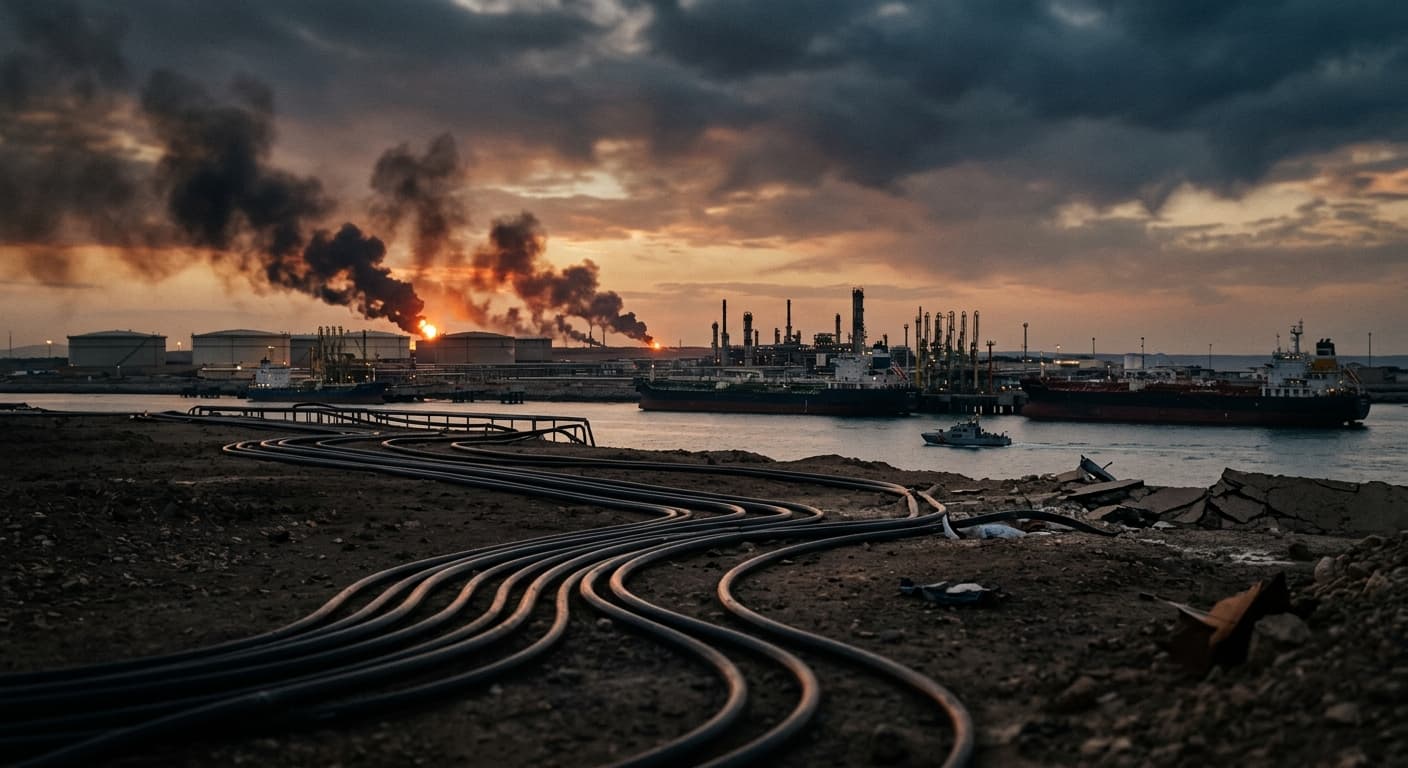
Nearly 21 million barrels of oil travel through the narrow Strait of Hormuz each day. Iran has repeatedly threatened to block the waterway in response to military action.
Even the credible threat of mining or missile attacks on tankers raises insurance costs dramatically. Shipping companies have begun rerouting vessels or pausing voyages, tightening available supply further.
US naval forces have increased patrols in the area. This presence deters immediate closure but cannot eliminate the risk of asymmetric attacks using drones or fast boats.
The ongoing volatility in gas prices stems directly from this single geographic vulnerability.
Economic Ripple Effects Beyond Oil
The conflict affects far more than fuel costs. Global stock markets have shown classic risk-off behavior. Technology and consumer discretionary shares fell while energy, defense, and precious metals rose.
Gold broke above $2,600 per ounce as investors sought safety. Bitcoin and other cryptocurrencies displayed mixed performance, with some traders treating them as digital gold while others sold to raise cash.
Airlines face sharply higher jet fuel costs. Several carriers have already announced fare increases or capacity cuts on long-haul routes. Manufacturing firms dependent on consistent diesel deliveries are adjusting inventory strategies and raising prices where possible.
Developing economies with limited foreign reserves face the greatest danger. Higher energy import bills can trigger currency depreciation, inflation spikes, and reduced growth forecasts.
Geopolitical Realignment and Energy Security
The Trump Iran War 2026 accelerates existing shifts in global energy relationships. Russia has increased oil exports to China and India to offset Western sanctions. Saudi Arabia and the UAE have maintained high production levels to stabilize markets, though both nations carefully avoid appearing to take sides.
European nations are once again confronting their dependence on imported energy. The experience of the Russia-Ukraine conflict left them better prepared, but renewed Gulf instability still exposes vulnerabilities.
Longer term, the conflict may speed adoption of renewable energy and nuclear power in strategic planning. Countries that can reduce reliance on Middle East oil gain both economic resilience and geopolitical flexibility.
The ceasefire pause itself has become a key variable in how markets and governments forecast the coming months.
Defense and Technology Dimensions
Military spending is rising across multiple countries. US defense contractors have seen share prices climb on expectations of increased orders for missiles, drones, and naval systems.
Recent SpaceX contract wins with the US Space Force highlight how commercial space capabilities now intersect with military needs in conflict zones. Satellite networks provide real-time intelligence and communication that shape battlefield outcomes and market sentiment alike.
The intersection of technology, energy, and geopolitics grows tighter each year. Nations that lead in both energy transition and advanced military systems gain strategic advantages that extend far beyond traditional battlefields.
Common Mistakes Investors Make During Middle East Conflicts
- Chasing immediate price spikes in oil without considering how quickly new supply can respond.
- Assuming the conflict will remain contained when proxy forces can widen the theater of operations rapidly.
- Ignoring second-order effects on currencies, interest rates, and central bank policy.
- Overweighting energy stocks without hedging against broader market selloffs.
- Underestimating the speed at which diplomatic breakthroughs or renewed fighting can reverse market moves.
Best Practices for Navigating Energy Market Volatility
- Diversify exposure across traditional energy, renewables, and commodities rather than concentrating in one area.
- Monitor both physical oil flows through the Strait of Hormuz and diplomatic statements from all major parties.
- Maintain liquidity to take advantage of sharp but temporary dislocations in related markets.
- Consider inflation-protected assets when energy-driven price increases appear likely to persist.
- Evaluate company-specific fundamentals within the energy sector—producers with low breakeven costs and strong balance sheets tend to outperform in volatile periods.
FAQ
How high could oil prices go if the Strait of Hormuz closes?
Analysts estimate prices could reach $150–$200 per barrel in a prolonged closure scenario, though such extremes would likely trigger emergency releases from strategic reserves and rapid supply responses from non-OPEC producers.
Will the ceasefire pause hold?
The pause remains fragile. Both the US and Iran have incentives to avoid full-scale war, but miscalculation by proxy groups or domestic political pressures could restart active fighting quickly.
How does this conflict affect gasoline prices in the United States?
US refiners process a mix of domestic and imported crude. Higher global prices raise the cost of imported barrels and increase competition for US shale output, pushing pump prices higher even with strong domestic production.
What role does China play in the current crisis?
China remains Iran's largest oil customer. Beijing has urged restraint while quietly securing alternative supplies. Its position gives it significant diplomatic leverage but also exposes it to higher costs if Gulf supplies are disrupted.
Are renewable energy stocks a safe haven during this conflict?
Renewables often rise on heightened geopolitical risk as investors anticipate faster policy support for domestic clean energy. However, they remain sensitive to broader interest rate movements and economic growth concerns triggered by high energy costs.
Conclusion
The Trump Iran War 2026 serves as a stark reminder of how concentrated global energy supply remains in one volatile region. While the current ceasefire pause has prevented immediate catastrophe, underlying tensions persist and will shape energy markets, investment decisions, and national security strategies for years.
Businesses and individuals who understand these connections can position themselves more effectively as the situation evolves. Those who treat energy security as a peripheral concern do so at their own risk.
Stay informed about developments in the region and their direct effects on your costs, investments, and economic outlook. The next diplomatic move or military incident could shift markets again without warning.
Share This Article